The history
Cozumel and the Caribbean pirates
How pirates shaped Cozumel and its coast: the island of swallows, the Spanish arrival, buccaneer raids, evacuations and the forts built in reply.
Reserve a place on the galleon ↗Quick answer
Pirates are part of Cozumel's real history. After the Spanish arrived in 1518, the island was often the target of pirate attacks. In 1650 many islanders were forcibly relocated to the mainland to avoid the buccaneers, and in 1688 most of the rest were evacuated inland. Along the nearby coast, towns built forts in reply. The pirate ship cruise is theatre, but the story behind it is documented.
The island of swallows
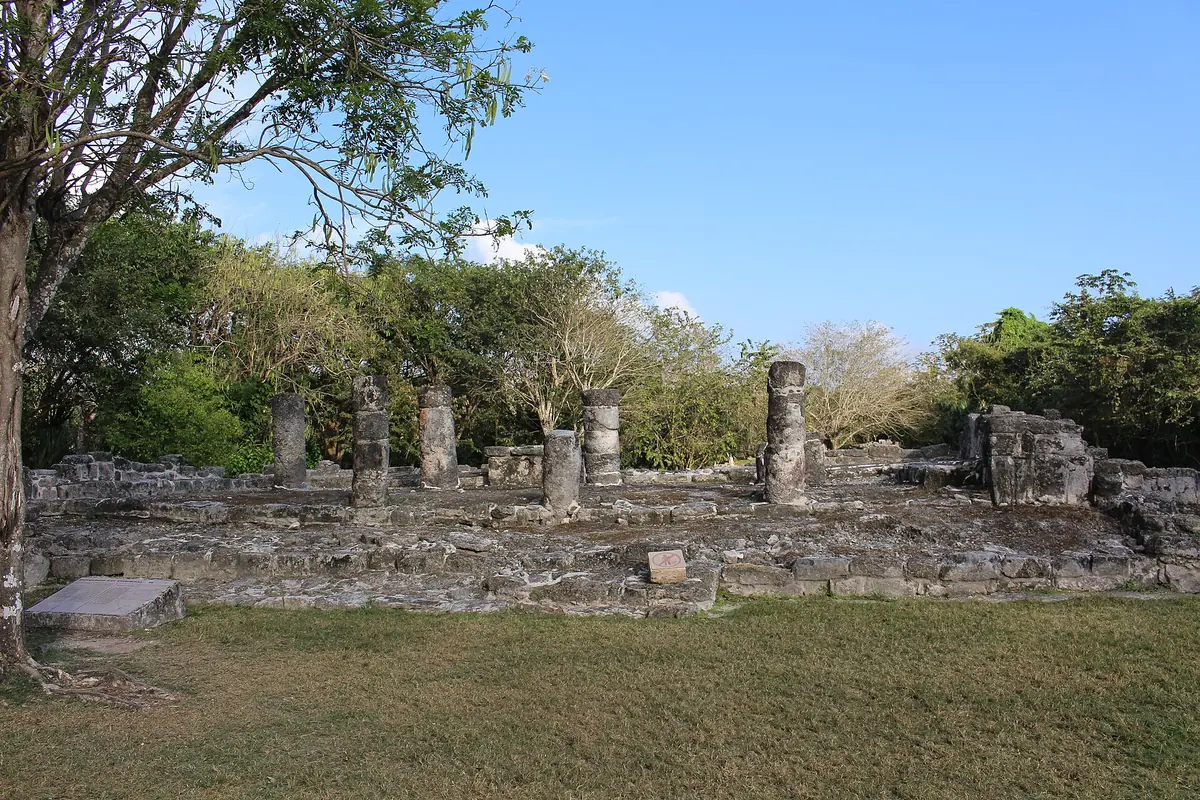
The name Cozumel comes from the Mayan Cuzamil, which means the island of swallows, and the island's modern flag shows a swallow on a blue and white background. Dozens of archaeological sites have been identified on the island. From the 13th century Cozumel flourished as an important port and pilgrimage centre, where merchants and pilgrims came to worship Ixchel, a Maya goddess associated with the moon, childbirth and weaving. San Gervasio was the most important city on the island. Its ruins lie in the interior of the island, and they show how old Cozumel's story is.
The Spanish arrive
The first Spanish expedition to visit Cozumel was led by Juan de Grijalva in 1518. In the following year Hernán Cortés stopped by on his way to Veracruz. Both expeditions were received peacefully by the Maya of Cozumel, and the islanders went on helping the Spanish re-supply their ships with food and water. Then disease arrived. Crew members of a later Spanish expedition brought smallpox to the island, and the Maya population fell sharply in the decades that followed.
Pirates target the island
In the years that followed, Cozumel was often the target of attacks by pirates. In 1650 many of the islanders were forcibly relocated to the mainland town of Xcan Boloná to avoid the buccaneers. Later, in 1688, most of the rest of the island's population, along with many settlements on the Quintana Roo coast, were evacuated inland. The island did not stay empty. In the 19th century refugees escaping the Caste War of Yucatán settled there, and the town of San Miguel de Cozumel was officially recognised by the Mexican government.
Buccaneers and the Golden Age
The Golden Age of Piracy was the period between the 1650s and the 1730s. Historians often split it into three periods, and the first is the buccaneering period. It was characterised by Anglo-French seamen based in Jamaica, Martinique and Tortuga attacking Spanish colonies and shipping in the Caribbean. The modern picture of pirates in popular culture is derived largely, although not always accurately, from this age. That is useful to remember when you watch a pirate show: the costume is borrowed from history, and the details are theatre.
Forts on the coast
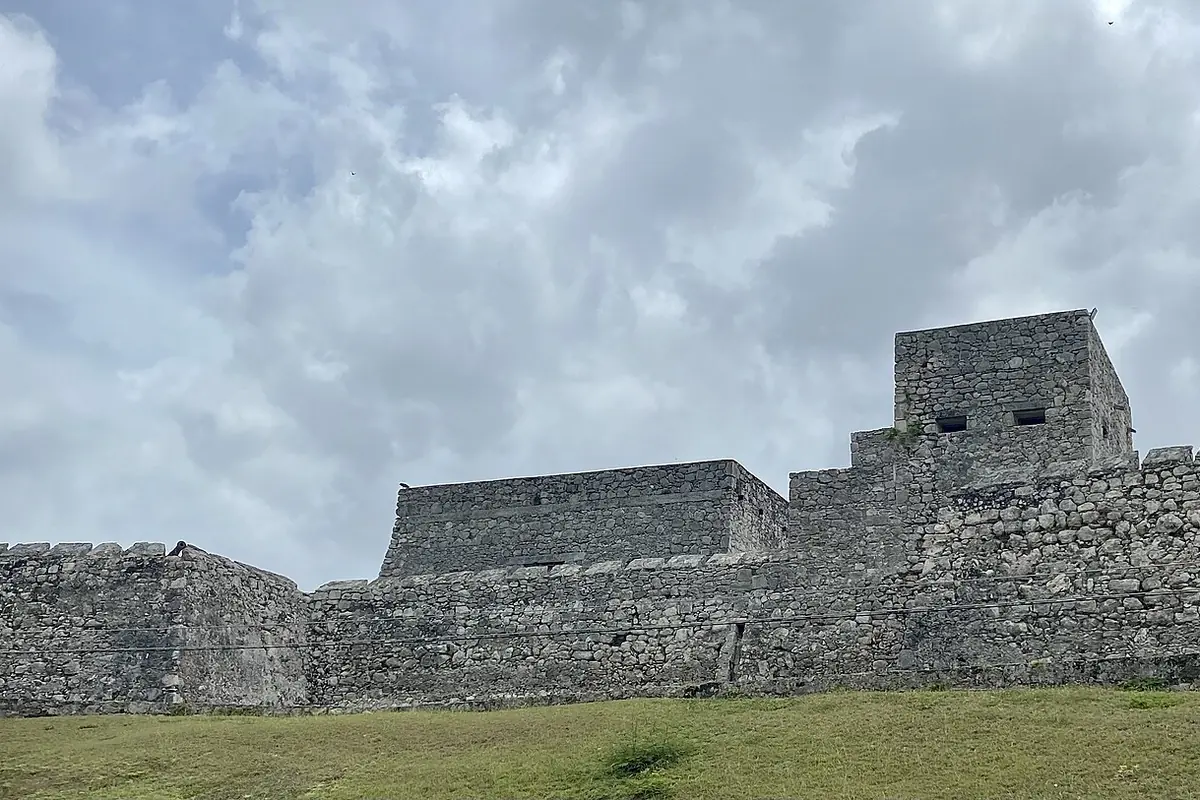
Coastal towns answered the raids with stone. The city of Campeche, on the Gulf of Mexico, was terrorised by pirates and marauders until it built major fortifications. Its walls and forts protected the city from pirates and buccaneers, and the old city is now a World Heritage Site. In Quintana Roo, after pirates sacked the town of Bacalar in the 17th century, the Fortress of San Felipe Bacalar was built, and it may be visited today.
From history to the show
None of this history is claimed by the cruise. The pirate show on the ship is an interactive evening of stories, sword fights, games and dances, played by the pirate crew. It borrows the look of the buccaneers and the shape of a Spanish galleon, and it gives visitors a lively way into a story the island lived. If the history interests you, the forts and ruins above are the real thing. If a night of cutlasses, dinner and dancing sounds better, the cruise is the one to book.
Sources